
Loading...
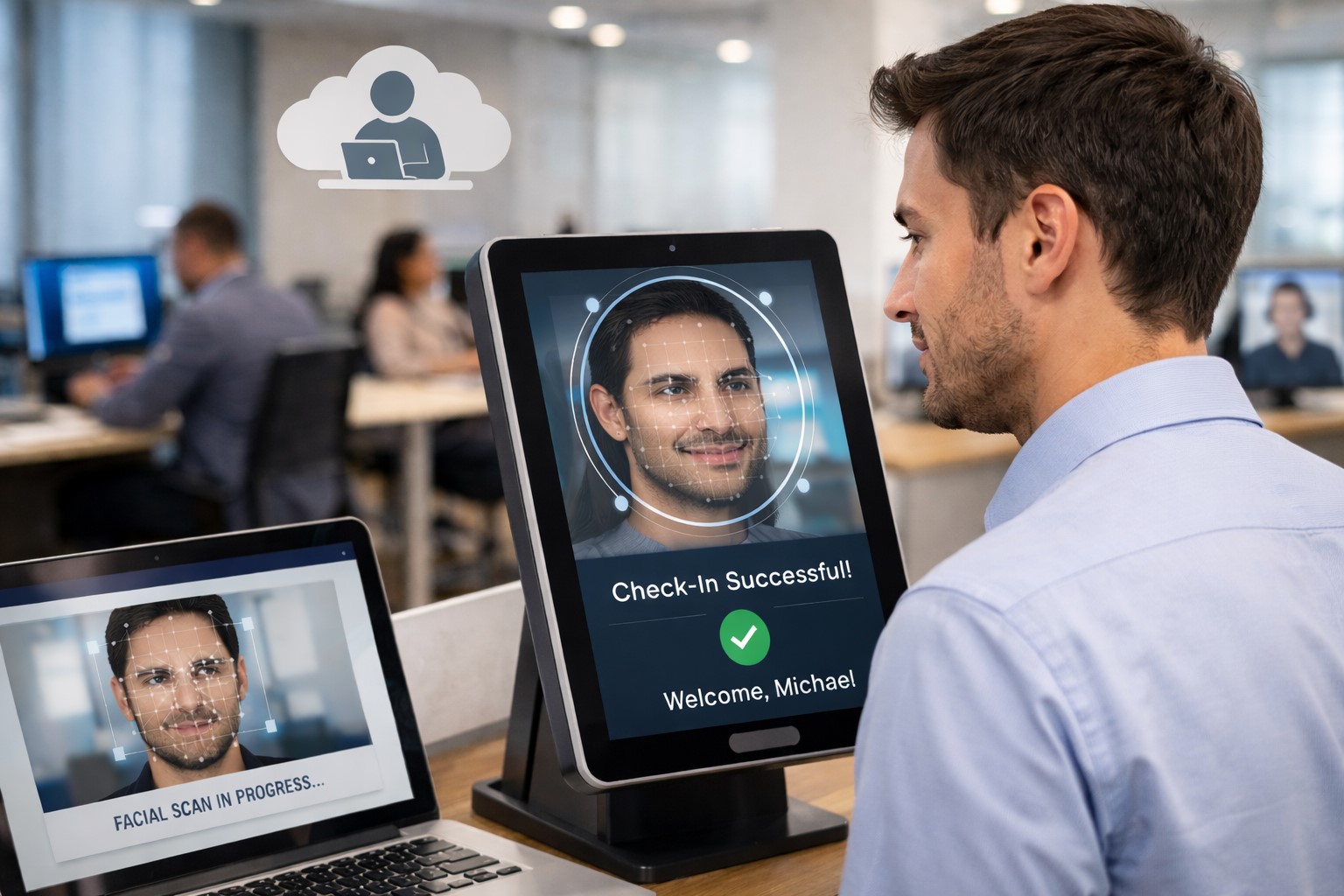
ClockInFace is built to make face recognition actually usable in real-world systems — without locking you into rigid hardware or fixed interfaces. Instead of treating biometrics as a black box, it gives you control over how recognition looks, behaves, and integrates into your environment. Use it for attendance tracking, access control, or any scenario where identity needs to be fast and frictionless — but still customizable. Key features: - Real-time UI customization: adjust layout, borders, glow, and behavior on the fly to match your brand or device. - Web-based deployment: run it in browsers, kiosks, or embedded setups — no specialized hardware required. - Face detection + recognition pipeline: optimized for fast and reliable identification in practical environments. - API-first design: integrate with your existing systems (HR, access control, internal tools) without friction. - Dataset control: manage and refine face data to improve accuracy over time. - Developer-friendly setup: get started quickly, whether you're prototyping or deploying at scale. - Free tier available for trying all its features. - More to come ...
would be keen on understanding how secure this is, privacy policy and how you keep data secure. This is a really hard application to achieve
This is a cool idea, but how are ensuring safety? Software like this always brings up plenty of ethical issues - what are your views on this?
Hi Tom, thanks for your comment - that’s a very important question. In ClockInFace, safety and ethics are addressed primarily through explicit user consent at every step of the process. Enrollment is always initiated by the user, meaning they actively choose to register their biometric data. Then, at the moment of use (for example, when checking in), the user must again take a clear action (such as pressing a button) to trigger recognition. There is no passive or background recognition at any point. The system is designed so that identification only occurs with the user’s knowledge and direct interaction. The goal is to ensure transparency and user control throughout the entire workflow, minimizing the typical ethical concerns associated with biometric systems.